
Work Permits in Europe: A Complete Guide to Legal Employment Opportunities
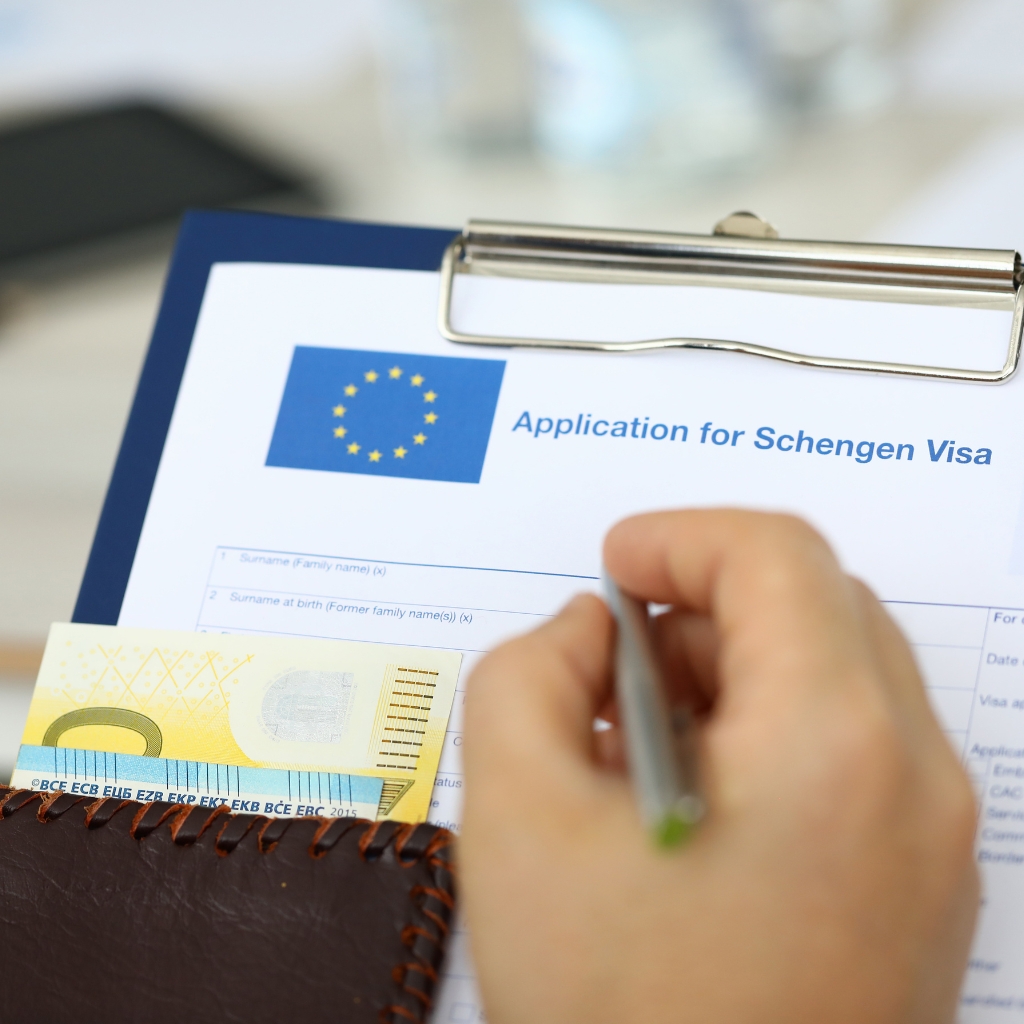
Work Permits in Europe: A Complete Guide to Legal Employment Opportunities
Europe is one of the most sought-after regions for foreign workers due to its strong economy, high-quality lifestyle, and demand for skilled labor. Every year, thousands of professionals apply for European work permits to build a better future, gain international experience, and secure long-term residency.
This blog explains how work permits in Europe work, who can apply, and which countries offer the best opportunities.
What is a European Work Permit?
A work permit is an official authorization that allows a foreign national to legally work in a European country. In most cases, a job offer from an employer is required before applying.
Each country in Europe has its own immigration rules, but the overall purpose is the same: to fill labor shortages with skilled international talent.
Top Countries Offering Work Permits in Europe
Germany
Germany is one of the strongest destinations for skilled workers. It has high demand for:
- Engineers
- IT professionals
- Healthcare workers
- Technicians and skilled labor
Germany also offers long-term residence pathways after employment, making it one of the most stable immigration destinations.
Portugal
Portugal is known for its flexible immigration policies and growing job market in:
- Tourism
- Technology
- Customer service
- Startups and remote work sectors
It is also considered one of the more accessible entry points into Europe.
Netherlands
The Netherlands has a strong demand for international professionals, especially in:
- IT and software development
- Engineering
- Finance and logistics
Many companies in the Netherlands actively sponsor work permits for skilled foreigners.
Poland
Poland has become a popular destination for workers in:
- Construction
- Manufacturing
- Hospitality
- Transportation
It offers relatively faster processing times compared to Western Europe.
General Requirements for Work Permits in Europe
While requirements vary by country, most European work permit applications include:
- A valid job offer from a registered employer
- Educational qualifications or relevant experience
- Valid passport
- Medical insurance coverage
- Clean criminal record
- Proof of financial stability (in some cases)
The Role of the Schengen Region
Most European countries are part of the Schengen Area, which allows visa holders to travel freely between member states after entering legally.
However, it is important to understand that:
- A work permit is country-specific
- You can only work in the country that issued your permit
- Travel within Schengen is allowed, but employment is restricted to the issuing country
Pathway from Work Permit to Permanent Residency
One of the biggest advantages of working in Europe is the possibility of long-term settlement. In many countries:
- Start with a work permit
- Renew residence after employment continuity
- Apply for permanent residency after a few years
- In some cases, apply for citizenship
This makes Europe an attractive destination for long-term career planning.
Challenges to Be Aware Of
While opportunities are strong, applicants should also be careful about:
- Fake job offers and scams
- Unregistered agents
- Incomplete documentation
- Misleading visa promises
Always ensure your process is fully legal and transparent.
Final Thoughts
Work permits in Europe open the door to global career growth, financial stability, and long-term settlement opportunities. With high demand for skilled workers and structured immigration systems, Europe remains one of the best regions for professional migration.
If planned correctly and handled through legal channels, a European work permit can be the first step toward a secure and successful future.